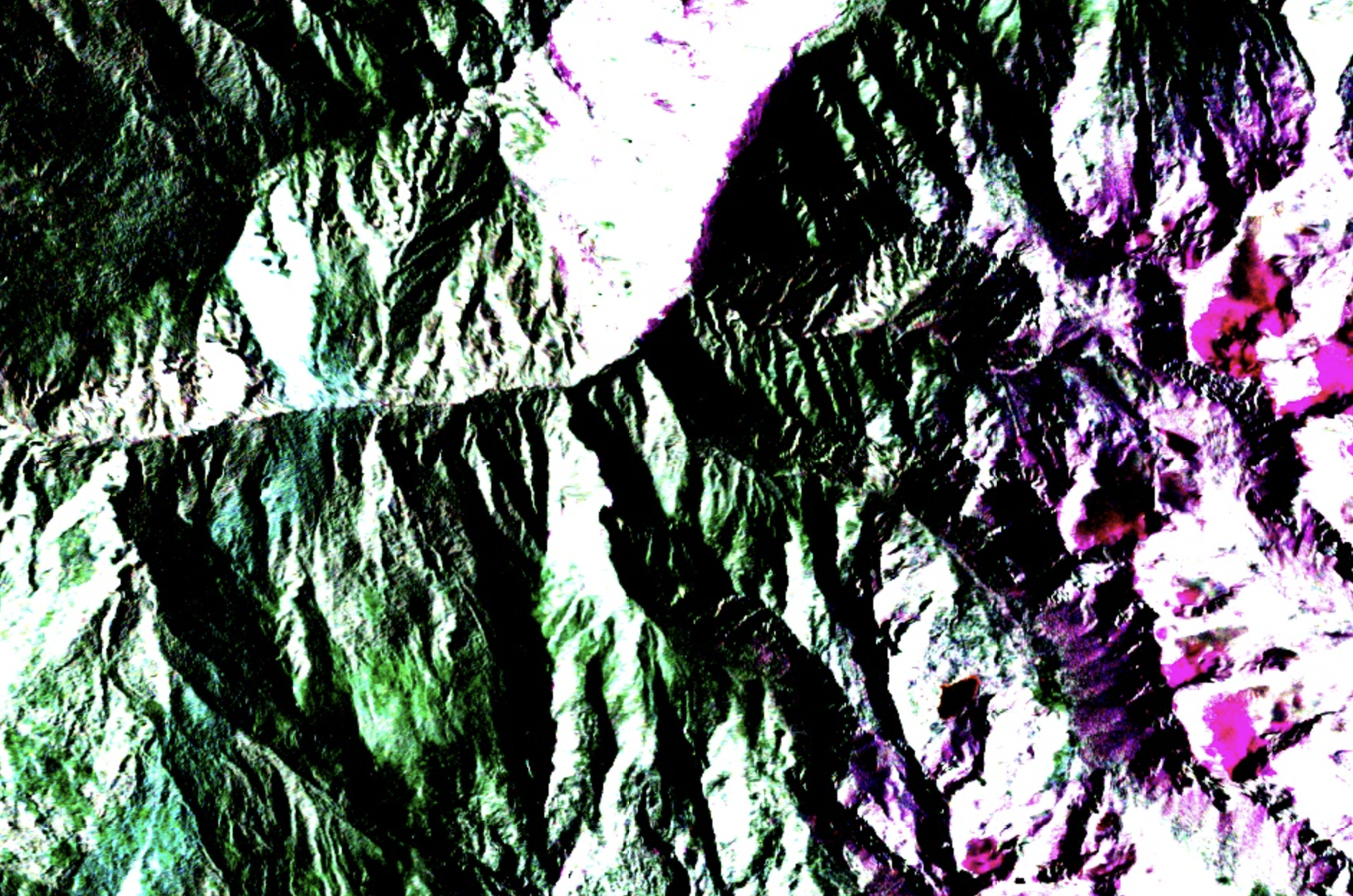

SAR displacement maps don't make decisions on their own. Understanding how terrain deformation data can fit into hazard management workflows, what decisions it can inform, and where its limits are, is as important as the data itself.
Satellite deformation data doesn't automatically trigger a response. There's a workflow that sits between the data and the decision, and understanding that workflow matters if you're thinking about how tools like Alnuc fit into real-world hazard management.
The most straightforward application is prioritisation. Agencies responsible for monitoring large numbers of slope sectors don't have the field capacity to inspect all of them regularly. Deformation data, even at the coarse cadence of a 6 to 12 day satellite repeat, provides a basis for ranking. Sectors showing consistent displacement trends can be moved up the inspection queue. Sectors that have been stable across multiple seasons can be deprioritised. This is a tractable problem that SAR time-series data is well suited to.
A second application is seasonal risk updating. A slope that showed significant displacement during the previous monsoon season carries a higher baseline risk going into the next one. That kind of longitudinal record, built up over multiple years of SAR acquisitions, gives hazard managers something they don't get from one-off assessments: a sense of how a slope is trending over time, not just how it looked on a single date.
Retrospective analysis is another use case worth considering. When a slope failure or road collapse occurs, going back through the SAR time-series for that location can reveal whether displacement was detectable in the weeks or months before the event. In many documented cases in the research literature, it was. That kind of post-event analysis is valuable for building the evidence base for continuous monitoring programmes and for understanding which displacement thresholds are meaningful in a given terrain type.
The limits of the data are real and worth being clear about. Knowing a slope moved 20mm over four months is useful context. Knowing whether that represents normal seasonal behaviour or the beginning of a more serious failure requires local knowledge, field verification, and often a geotechnical assessment. SAR data narrows the problem and focuses attention. It doesn't replace the expertise needed to interpret what the movement means.
Presentation also matters. Displacement maps and time-series plots are not intuitive for non-technical audiences. Translating raw displacement values into simple risk indicators, such as sector-level summaries or trend classifications, makes the data more actionable for the people who need to use it. The technical quality of the data is only part of the picture.